This site manual is for Master of Occupational Therapy (MOT) program in the Department of Occupational Science & Occupational Therapy (OSOT) is designed to ensure that students, faculty and staff are fully aware of their responsibilities. This handbook brings together the Faculty of Graduate and Postdoctoral Studies (G+PS) ’Policies and Procedures’ Manual and the Department of OSOT’s Policies & Procedures.
- About the MOT Program
- Key Contacts & Roles
- Key Placement Information
- Preparing for a Student
- Supervising & Supporting Students
- Student Orientation & Learning
- Evaluation & Feedback
- Policies & Requirements
- Leaves, Progression & Special Circumstances
Mission and Vision
Our mission is to advance occupational therapy and occupational science, promote exceptional healthcare, and improve people’s lives through inclusive education, research, and advocacy.
Our vision: Just and equitable occupational participation for all.
Course of Study
The Department of Occupational Science & Occupational Therapy assumes primary responsibility for organizing and designing the occupational therapy curriculum, including fieldwork education, that enables students to acquire the competencies required of an entry level occupational therapist.
The graduate curriculum in the Department of Occupational Science & Occupational Therapy is developed by the MOT Curriculum Committee, in accordance with specific professional accreditation guidelines and consistent with the standards of the University. Students influence curriculum development through course evaluations and representation at many committee levels. Curricula are approved by the MOT Curriculum Committee, the Department Affairs Committee, and the Senate of the University.
The foundation for the curriculum is from a core of studies in the humanities; the natural, social and medical sciences; and studies in the principles of rehabilitation practice and research that are germane to the profession. There is a logical core of studies in which occupational therapy and students from other disciplines participate together, where they begin to understand each profession’s unique body of knowledge. Further interprofessional experiences are integrated into the professional coursework to acquaint students with the roles of other members of the health care team who participate in the promotion, maintenance and restoration of health and well-being.
The provision of fieldwork education is a fundamental component of the Master of Occupational Therapy program. Fieldwork education facilitates the student’s successful transition into the role of a competent health professional. The program is based on learning experiences in traditional and non-traditional settings that allow the student to develop, consolidate and integrate the knowledge, skills, attitudes, and judgement taught in the academic setting.
Program Overview
The Master of Occupational Therapy program is accredited by the Canadian Association of Occupational Therapists (CAOT). It is designed to prepare competent, entry-level occupational therapists. The program meets national education standards for occupational therapists, and is influenced by several documents, including the Profile of Occupational Therapy Practice in Canada (CAOT, 2012), The Essential Competencies for Occupational Therapists in Canada, (3rd ed.) (ACOTRO, 2011), and Enabling occupation II: Advancing an occupational therapy vision for health, well-being, and justice through occupation, (2nd ed.) (Townsend & Polatajko, 2013). UBC MOT graduates are prepared to enter occupational therapy practice in any setting in Canada, or globally.
Informed by the four key educational theories and principles of universal design for learning, the MOT program emphasizes:
- Case-based learning- the analysis of case studies informed by theory and evidence, and
- Experiential learning- active engagement in learning, such as hand-on laboratories, practice visits, fieldwork settings, and demonstration of practice skills in assignments.
Fifteen courses (65 credits) are organized into 6 terms of study. A course may be 1, 2 or 3 terms in duration. Although natural overlap exists, courses are designed to substantively address one of 6 learning streams: (1) theory, (2) health, illness and occupation, (3) skills for occupational therapy practice, (4) evidence for occupational therapy practice, (5) professional practice, and (6) fieldwork. The streams help organize and sequence content to ensure that key program outcomes and related competencies are addressed. The culmination of the program is the Capstone Conference where students present their major projects to their classmates, incoming and continuing students, faculty and the occupational therapy community. Each Capstone Conference is planned by the current student cohort to meet their learning needs as they bring their graduate studies to a close.
The MOT program is a full-time graduate program, and students are expected to attend classes as scheduled between 8:00 AM and 5:00 PM Monday through Friday. Typically, classes run 9:00 AM – 12:00 PM and 1:00 PM – 4:00 PM and average 21 hours per week, and fieldwork is scheduled in accordance with the assigned agency for 35 – 37.5 hours per week.
Fieldwork is organized into 5 placements in sites throughout British Columbia, or, at the students’ request, elsewhere in Canada or internationally. Students spend 1087.5 hours in fieldwork settings, over 5 full-time placements. In addition, practice visits and the Health Mentors program provide additional learning with clients that meets the World Federation of Occupational Therapy definition of fieldwork. Fieldwork is conducted in a variety of settings, including urban and rural placements, in public and private sectors, involving clients across the age span and with varying abilities with regard to mental and physical health status. Over 400 clinical faculty members and fieldwork educators contribute to fieldwork and classroom teaching, ensuring that content is grounded in contemporary practice.
Students who successfully demonstrate entry-level competency in class and in fieldwork should have no difficulty passing the national certification examination. This exam, offered annually by CAOT, is one of the criteria required for licensure or registration to practice in most regions of Canada.
The Professional & Educational Conceptual Framework
The MOT integrated professional and educational conceptual framework provides a cohesive way of articulating what guides the design, delivery, and evaluation of our MOT curriculum, which supports the development of competent and exceptional UBC MOT graduates.
The image of the MOT Tree is a visual representation of our integrated professional and educational conceptual framework.
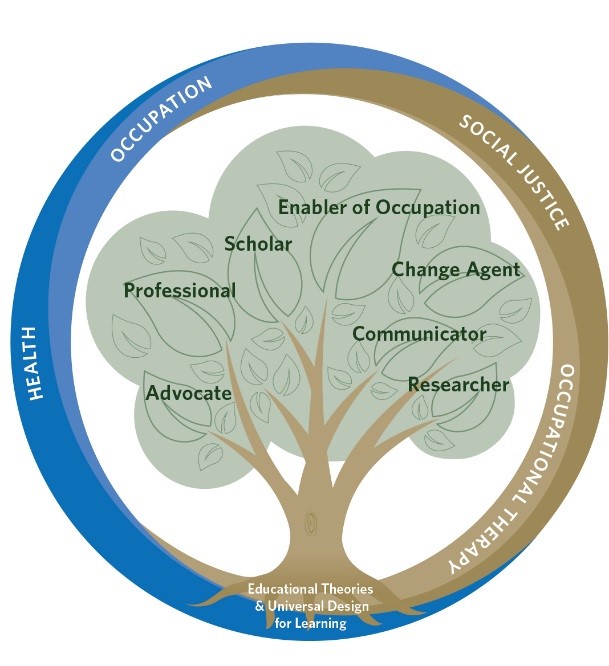
Figure 1. The MOT Tree, a visual image of the professional and educational conceptual framework
Here is a general overview of the MOT Tree visual image, touching on the professional and educational elements of the framework. More detailed information can be found in the MOT Program Curriculum Document 2019.
The circle that the MOT Tree is embedded within represents how the MOT program is connected to its context:
- to the Department of OSOT, the Faculty of Medicine, UBC Health Profession programs, and the University of British Columbia (e.g., interprofessional and integrated curricula with UBC Health);
- to the local and regional contexts of Greater Vancouver, surrounding areas, and British Columbia (e.g., community engaged learning, interprofessional student health initiatives, practice setting visits, fieldwork placements, and clinical faculty as educators);
- to the national context (e.g., critical discourse analysis of Canadian health policies, presentations at national research conferences, the examination of the Truth and Reconciliation Commission Calls to Action); and
- to the global context (e.g., international fieldwork placements).
Surrounding the tree are the blue of the water and sky and the brown of the roots and soil that provide nourishment to the tree; these symbolize the MOT program’s beliefs on occupation, health, occupational therapy, and social justice. These beliefs are foundational and anchor all elements of the MOT program.
| Occupation Occupations are complex. Engagement in occupations can be transformative for individuals, families, communities, and populations. Occupations are situated within specific contexts; occupations shape and are shaped by environments. | Health Health is a multifaceted phenomenon involving genetic, physical, psychological, social, and cultural correlates; thus, the meaning of health and well-being varies across population groups.Community is essential to health. Occupation is a determinant of health and well-being throughout the lifespan. |
| Occupational Therapy Occupational therapists’ domain of concern is occupation and its transaction with person and environment. Occupational therapists support performance, participation, and engagement in occupations chosen by clients as necessary and meaningful to their circumstances, transitions, and life roles. Meaning derived through engagement in occupation is idiosyncratic and multidimensional. Occupational therapy theory and practice is based on a holistic perspective of mind, body, and spirit that recognizes the unique needs of individuals and communities. Occupational therapy theory, knowledge, and practice must be based on, developed, and verified through research. | Social Justice Engagement in occupation must respect human rights and dignity. Communities have the right to choose and participate in meaningful occupations that promote quality of life and health equity. It is our duty to collaborate, speak up, and act with others to make visible social inequities and occupational injustices, and to transform oppressive systems. |
At the base of the MOT Tree, is the educational element identified by five defined roots. These roots represent:
- Four key educational theries:
- transformative learning theory informs how our instructors facilitate students’ ability to connect new knowledge to past learning and experience.
- critical pedagogy challenges our instructors to make space for students to question the status quo and dominant ideologies.
- cognitive load theory ensures a goodness-of-fit between students’ capacity to learn, the content to be learned, and the methods used to facilitate learning.
- constructivism sheds light on how knowledge is formed, both through subjective and socially constructed understandings.
- Principles of universal design for learning to address issues around diversity, access, and inclusivity in education.
Purpose of the Program
The purpose of the MOT program is to prepare graduates to be self-directed, life-long learners who consciously use theory, evidence, and critical thinking skills to maintain, evaluate, and improve their practice of occupational therapy. Through participating in the MOT curriculum anchored in the program’s core beliefs, and with approaches to teaching and learning designed in line with the key educational theories and universal design for learning, UBC MOT students graduate from the program having achieved the seven key MOT program outcomes, as symbolised by the seven highlighted MOT Tree leaves. These program outcomes are:
- ENABLER OF OCCUPATION: Demonstrate knowledge, skills, and attitudes required to enable occupation in a variety of settings through use of the occupational therapy practice process.
- SCHOLARLY OCCUPATIONAL THERAPIST: Demonstrate an understanding of the philosophy, theoretical concepts, models and frames of reference of occupational therapy.
- RESEARCHER: Demonstrate an understanding of the research process in order to create and disseminate evidence with the outcome having relevance and value to the occupational therapy profession and/or the field occupational science.
- CHANGE AGENT: Demonstrate knowledge, skills and attitudes required for developing and delivering occupational therapy services in a complex, changing environment.
- PROFESSIONAL: Assume and enact occupational therapy professional values and attitudes.
- COMMUNICATOR: Demonstrate effective verbal and written communication skills.
- ADVOCATE: Communicate the broad purpose and scope of occupational therapy practice consistent with the needs of the audience.
Brief Course Descriptions
OSOT 511 – Fundamentals of Occupational Therapy: Theory, Conceptual Models and the Practice Process (3cr) Term 1
Interactive learning approaches are used to examine occupational therapy core concepts, values and beliefs and their application to practice. The emphasis is on the client-centred occupational therapy practice process, and generic conceptual models that guide clinical reasoning.
OSOT 513 – Health, Illness and Occupation (3cr) Terms 1 and 2
Resource seminars and guest lectures from content experts present concepts of occupational science as a foundation for understanding occupation and its relationship to health. Includes critique of various models explaining illness and disability, and includes methods for acquiring biomedical information on common conditions and illnesses that impact occupational performance in clients of all ages.
OSOT 515 – Occupation in Practice I: Foundation of Occupational Therapy Assessment and Intervention (3cr) Term 1
Labs and workshops provide opportunities to practice basic skills in preparation for introductory fieldwork. The course begins with basic search strategies and appraisal of health literature. Topics are congruent with theoretical concepts introduced in OSOT 511 and include interpersonal communication, task analysis, selection of assistive and rehabilitative technologies, and adaptive strategies to enhance occupational performance of individuals across the life span.
OSOT 519 – Professional Development of the Occupational Therapist I (4cr) Terms 1-3
This course will introduce students to the roles within occupational therapy in order for them to explore the necessary reasoning strategies designed to enhance practice and promote skill development considered essential for reflective practice. Comprised of small group case-based tutorials; clinical visits; class seminars; self-directed study and interprofessional learning activities, the course will require the learner to synthesize concepts in year one to enable participation in clinical practice
OSOT 525 – Occupation in Practice II: Advancing Theory, Assessment & Intervention (5cr) Term 2
Building on theory and basic clinical skills knowledge developed in term I, lectures, workshops, and labs provide opportunities to learn and practice increasingly complex therapeutic procedures in preparation for fieldwork. Learning activities consider unique client characteristics (e.g., literacy, language use) and contexts (e.g., culture, ethnicity) as they influence clinical reasoning in the selection of client-centered interventions. This course includes selecting, administering, and interpreting assessments of performance components, as well as planning and implementing occupational therapy interventions based on biomechanical, psychosocial, neuro-rehabilitative and developmental theories and approaches.
OSOT 527 – Becoming an Evidence-Informed Occupational Therapy Practitioner (3cr) Term 2
Seminars, independent study and small group discussion encourage students to explore assumptions and principles of qualitative and quantitative research designs, needs assessment, and evaluative research. Introduces principles of occupational therapy tests and measures for practice and as outcome measures for rehabilitation research, and elements of basic research designs.
OSOT 528 – Occupational Therapy Practice: Fieldwork I (Terms 1-2)
Provides students with an opportunity to integrate and utilise the knowledge and skills introduced in term 1 of the MOT program, and to demonstrate basic Occupational Therapy competencies in varied clinical settings for a total of 5 weeks of supervised fieldwork experience in affiliated agencies. Students will have opportunities to observe and work with occupational therapy clients. Students are expected to adhere to relevant Standards of Practice and professional / ethical codes of conduct at all times during the placements, and to be self-directed towards identifying and fulfilling their learning needs.
OSOT 538 – Occupational Therapy Practice: Fieldwork II (Term 5)
Provides students with an opportunity to integrate and utilise the knowledge and skills introduced in term 1 & 2 & 3 of the MOT program, and to demonstrate Occupational Therapy clinical competencies in clinical settings for a total of 12 weeks of supervised fieldwork experience in affiliated health agencies. Students will have opportunities to observe and work with occupational therapy clients. Successful completion of this course will require a safe, professional, and evidence based approach to occupational therapy practice process.
RHSC 420 – Elements of Neuroanatomy and Neurophysiology (4cr) Term 3
An introduction to the structure and function of the human nervous system; lays the foundation for assessment and intervention skills related to sensation, perception, cognition and motor performance.
OSOT 545 – Occupation in Practice III: Occupational Therapy Assessment and Intervention (5cr) Terms 4-6
Workshops and lab modules encourage synthesis of theory and practice approaches, and provide opportunities to demonstrate assessment and intervention skills consistent with the competencies required to enter practice. Psychosocial, developmental, neuro-rehabilitative, and biomechanical approaches are used individually and in combination to resolve complex 16 occupational performance issues. Includes targeted interventions to address the needs of special populations, based on developmental stage, health status, and/or environmental circumstances (for example, the frail elderly).
OSOT 547 – Developing Evidence for Occupational Therapy Practice (6cr) Terms 4-6
Lectures, online discussion and supported independent study will be used to provide students with experience in conducting occupational therapy research. Participation in a limited-scope research process will facilitate development of knowledge and skills necessary for conducting a research project or program evaluation. Under the supervision of academic and clinical faculty students will pose a research question relevant to occupational therapy theory or practice, identify a design, collect and analyze data and present the data in a research forum and report.
OSOT 549 – Professional Development of the Occupational Therapist II (5cr) Terms 4-6
Professional issues seminars focus on professional expectations, the nature of the client-therapist relationship, legal and ethical obligations, and ways to develop the skills of a reflective practitioner. Facilitated small group tutorials integrate knowledge across occupational therapy courses, in case-based synthesis exercises, progressing to more complex societal or population health issues in terms 5 and 6. Selected modules organized in collaboration with other health professional programs where possible.
OSOT 551 – Societal and Environmental Influences on Occupation and Occupational Therapy Practice (3cr) Terms 5-6
A seminar addressing current legislative, socio-political, cultural and service delivery issues influencing occupational therapy practice and clients’ experiences. Participation in activities of daily living is not only influenced by the individual’s skills and resources, but also the policies, actions, and attitudes imposed upon them by the broader institutional, social, and cultural environments. Considers contemporary service delivery environments and trends, such as chronic illness and primary health care opportunities.
OSOT 553 – Innovations in Occupation: Developing and Evaluating Occupational Therapy Programs (2cr) Terms 5, 6
In this course you will learn, critique, and apply program development principles and strategies to the creation of programs or services designed to meet the occupational needs of selected client populations. Program development principles include needs assessment, program design, budgeting/human resource planning, marketing, program evaluation, and proposal writing.
OSOT 558 – Occupational Therapy Practice: Fieldwork III (Terms 3-4)
Builds on previous clinical experience provided in OSOT 528 & OSOT 538; to incorporate the additional knowledge and skills provided in term 5 and to provide a venue for the students to demonstrate synthesis and integration of the knowledge and skills from all aspects of the MOT program. Students will be given opportunity to demonstrate entry level clinical competence in a variety of clinical settings with both basic and more complex occupational therapy practice. Students will demonstrate Occupational Therapy clinical competencies in varied clinical settings for a total of 14 weeks of supervised fieldwork experience in affiliated health/community agencies.
Accreditation of the UBC MOT Program
In 2021, the Master of Occupational Therapy (MOT) program was granted a seven-year academic accreditation by the CAOT Academic Credentialing Council. As part of this accreditation process, the fieldwork program was evaluated and received very favorable reviews, ranking among the best nationally.
The program maintains multiple cohorts with separate accreditation timelines:
- Fraser Cohort: Accredited in 2024
- North Cohort: Accredited in 2023
Admissions Requirements
Current admission requirements can be found here.
Abbreviations
- CAOT – Canadian Association of Occupational Therapists
- CBFE-OT – Competency Based Fieldwork Evaluation for Occupational Therapists
- CGFEOT – Canadian Guidelines for Fieldwork Education in Occupational Therapy
- FS-PRO – Fieldwork Site Profile
- HSPnet – Health Sciences Placement Network, a fieldwork management database used by many health authorities.
- MOT – Master of Occupational Therapy
- NFPS – National Fieldwork Placement Service
- OSOT – Occupational Science and Occupational Therapy
- RHSC – Designation used in the UBC Calendar for cross discipline courses offered by the Department of OSOT
- RSOT – Designation used in the UBC Calendar for courses offered in the Department of OSOT
- UBC – The University of British Columbia
Definition of Terms
Fieldwork Educator (Alternatively Supervising Therapist, Clinician, Supervisor, Preceptor) The individual(s) responsible for the direct instruction, supervision and evaluation of the occupational therapy student in the fieldwork setting.
Student Placement (Alternatively, Student Fieldwork) Any fieldwork education block that occurs prior to graduation.
Contacts
| For Fieldwork Issues | |||
| Alexis Davis | Assistant Professor of Teaching & Academic Fieldwork Coordinator | 604-827-0956 | alexis.davis@ubc.ca fieldworkfaculty.osot@ubc.ca |
| Stephanie Gardner | Fieldwork Education Manager | 604-827-5392 | stephanie.gardner@ubc.ca osot.fieldwork@ubc.ca |
| For Academic and Administrative Issues | |||
| Dr. Ben Mortenson | Professor & Department Head | 604-737-6314 | ben.mortenson@ubc.ca |
| David Tsukada | MOT Student Services Manager | 604-822-7196 | david.tsukada@ubc.ca |
Roles and Responsibilities
Fieldwork is an integral component of all occupational therapy educational programs in Canada. Fieldwork requires a dynamic interchange between many people, institutions, and professional organizations. The key groups involved in fieldwork placements are: students; fieldwork educators; site fieldwork coordinators; and university fieldwork educators/coordinators.
The roles and responsibilities of these key groups as described in this manual are derived in part from the Canadian Guidelines for Fieldwork Education in Occupational Therapy, prepared by the Committee on University Fieldwork Education (CUFE) of the Association of Canadian Occupational Therapy University Programs (ACOTUP) and last revised in 2024. A copy of the Canadian Guidelines for Fieldwork Education in Occupational Therapy can be found in its entirety here.
Occupational therapy students actively participate in assigned fieldwork placements to acquire and/or apply knowledge, therapeutic skills, and clinical reasoning pertaining to the client, client group, and/or setting. Students participate in planned learning activities and engage in self-directed learning and open communication to meet placement expectations and fieldwork education standards. Students are expected to:
- Take responsibility for their learning experience and the direction of that experience in partnership with fieldwork educators, onsite fieldwork coordinators, university professors and Academic fieldwork coordinator;
- Set personal and professional goals before the beginning of the fieldwork experience. Review and adjust them throughout the placement;
- Do preparatory readings before and during the fieldwork experience;
- Uphold legal standards and the Codes of Ethics at all times (CAOT, professional regulatory body, fieldwork site, university program);
- Comply with site and university policies and procedures;
- Increase their understanding of and respect the roles and functions of other team members; a
- Develop competencies for the application of the occupational therapy process;
- Increase their understanding of the systems in which occupational therapists practice;
- Learn how occupational therapists contribute to the service delivery team;
- Increase their understanding of and promote the roles and functions of occupational therapists;
- Develop confidence and competence in their practice of occupational therapy;
- Communicate with the university academic fieldwork coordinator any time during their fieldwork experience if they encounter challenges in developing their competency profile;
- Provide feedback to fieldwork educator based on their fieldwork learning experience.
- Provide feedback and an evaluation of their fieldwork experience to their university fieldwork professor/ coordinator following each placement
Fieldwork educators facilitate the learning of students by creating a climate within fieldwork settings to promote the development of knowledge, skills, behaviours, and attitudes relevant to occupational therapy. Occupational therapists who become fieldwork educators must be a member of CAOT and the appropriate regulatory bodies and must have a minimum of one year of clinical experience since graduation, before assuming primary responsibility for a student. The fieldwork educator role involves integrating a student program into the fieldwork setting, modeling professional practice behaviours, guiding student practice within the setting, and providing formal and informal feedback and evaluation on performance to the student and appropriate university personnel.
Fieldwork educators are expected to:
- Act as role models for students;
- Become familiar with the university fieldwork education program (learning objectives, educational tools, fieldwork evaluation tool, expected student performance in accordance with placement level) and with the supervision process;
- Offer a welcoming environment, a comprehensive orientation and provide space for student use, as available within the site’s resources;
- Clearly inform students of what is expected of them, appropriately grade responsibilities and expectations and be available to students to offer appropriate supervision;
- Offer regular and timely feedback based on student performance, including recommendations for improvement;
- Offer a positive and comprehensive learning environment to enable student development within the core competencies required for occupational therapy practice;
- Assist students to develop a good understanding of their “professional growth” with respect to core competencies as described in the Profile of Occupational Therapy Practice in Canada (2007) by allowing and promoting time for guided reflection;
- Meet with students to discuss and evaluate their performance at the mid-term and end of the fieldwork education experience;
- Communicate with the UBC academic fieldwork coordinator at any time during the placement if the student encounters significant challenges;
- Provide to Academic Fieldwork Coordinator a current fieldwork site profile describing learning opportunities and resources;
- Provide feedback by completing a questionnaire with respect to their experience as fieldwork educator (student preparedness, impact of the supervisory experience, administrative support availability, evaluation of pedagogical needs, etc.) and submit it to the Academic Fieldwork Coordinator.
Site fieldwork coordinators plan and organize fieldwork experiences that are offered within the sites in which they are based. Site fieldwork coordinators work collaboratively with university and site personnel to develop and promote fieldwork programs in the site and prepare fieldwork educators for involvement in fieldwork. There is not necessarily a Site Fieldwork Coordinator at all facilities or clinics.
Site fieldwork coordinators are expected to:
- Ensure that Fieldwork Education Site approval status for fieldwork is maintained;
- Ensure an affiliation agreement between the facility and University is completed and current;
- Ensure that the university has an up-to-date facility profile on file at the School,
- Identify the number of student placements available in the facility,
- Facilitate the ongoing development of occupational therapists as fieldwork educators,
- Respond to the letter of introduction (or delegates response to fieldwork educator) sent by an assigned student at least 6 weeks prior to the placement. The response should confirm starting date, time and location; area of practice; name of fieldwork educator(s); working hours; directions to the area; and any other information that will assist the student during the first week of placement,
- Guide and assist in the development of the facility fieldwork education program, (e.g., setting objectives, orientation plan),
- Documents necessary procedures regarding students’ fieldwork education, (e.g., orientation, scheduling, recording statistics),
- Delegates, when appropriate, the implementation of the clinical education program and supervision of students to a fieldwork educator,
- Ensure that the fieldwork educator has a copy of all necessary forms including letter of introduction, student evaluation and site evaluation,
- Respond to student and fieldwork educator’s requests for information and/or guidance,
- Advise the Academic Fieldwork Coordinator of problems that appear to be developing in the placement, and particularly, if by mid-term, there is potential for failure.
The Academic Fieldwork Coordinator (AFC) plans, develops, and coordinates the fieldwork component of Occupational Therapy educational program. The Academic Fieldwork Coordinator role involves the development and dissemination of fieldwork policies and procedures specific to the university program in which each fieldwork team member is based (i.e. distributed sites). The AFC works in consultation with other university personnel and other participants in fieldwork to develop fieldwork sites, assign students to fieldwork sites, prepare students and fieldwork educators for involvement in fieldwork, and facilitate appropriate communication among all participants in fieldwork.
The Academic Fieldwork Coordinator is expected to:
- Assist students to develop a good understanding of their “professional growth” with respect to core competencies as described in the Competencies for Occupational Therapists in Canada (2021), by offering fieldwork preparation (e.g., orientation and resources) and debriefing sessions (e.g. integration of theory with practice) to students;
- Provide fieldwork educators with orientation and educational resources related to the university academic and fieldwork education programs and the supervision process;
- Coordinate offers and requests for placements and whenever possible match students and sites according to students’ academic and fieldwork profiles and interests;
- Ensure students experience a varied fieldwork education profile (clinical practice areas and geographical regions);
- Offer ongoing support and problem solving to students and fieldwork educators in dealing with student learning challenges;
- Recognize fieldwork partners who contribute time and expertise in supervising students;
- Provide sites with a fieldwork agreement, either temporary or long term, describing the liability and responsibilities of each party;
- Ensure students are provided with appropriate liability coverage and work site insurance;
- Regularly assess the content and quality of supervision given and provide recommendations to fieldwork sites and feedback to fieldwork educators.
- Regularly assess the content and quality of the environment in which the placement occurs to ensure appropriate resources are available and provide recommendations to fieldwork sites.
Benefits of Being a Fieldwork Educator
Participating as a fieldwork educator offers a range of professional, personal, and organizational benefits. Both historical and contemporary evidence, including feedback from UBC fieldwork educators and Canadian studies, highlight the positive impacts of engaging in fieldwork supervision. Key benefits include:
- Professional Development: Supervising students helps educators stay current with evidence-based practices, enhances clinical reasoning, and provides opportunities for ongoing learning.
- Skill Enhancement: Fieldwork supervision fosters the development of supervisory, administrative, time management, and delegation skills that are transferable across professional roles.
- Workforce Contribution: By mentoring students, fieldwork educators help address workforce needs and support the development of future occupational therapy practitioners.
- Organizational Benefits: Student involvement can enhance service delivery, support program implementation, and contribute to a more dynamic and efficient workplace.
- Academic Collaboration: Engagement in fieldwork strengthens connections with universities, faculty, and professional networks, fostering collaboration and professional growth.
- Career Satisfaction and Recognition: Fieldwork supervision diversifies professional experience, enhances teaching skills, and provides meaningful opportunities to demonstrate leadership and expertise within the profession.
These benefits reflect the Canadian Guidelines for Fieldwork Education in Occupational Therapy, which emphasize collaborative, mutually beneficial learning experiences that promote professional growth, high-quality service delivery, and the development of competent future practitioners.
Becoming a Clinical Faculty Member
Clinical Faculty members teach and inspire our learners, serving as role models for the next generation of occupational therapists. They often contribute significantly to administration, professional development, and translational or clinical research. The Department of Occupational Science & Occupational Therapy values the essential role Clinical Faculty play in teaching and other departmental initiatives.
Clinical Faculty are located throughout British Columbia, and the criteria for appointment are designed to allow anyone who contributes to the Department’s educational programs to apply. Clinical Faculty appointments are non-tenured and unpaid. However, ongoing appointment and promotion opportunities are available to those who demonstrate sustained contributions to the Department and the profession.
Benefits of Clinical Faculty membership include:
- Access to UBC Library services
- Educational pricing on software via the UBC Bookstore
- Discounted rates for UBC-sponsored continuing medical education courses and faculty development programs
- For members living on Vancouver Island, in the Interior, or Northern BC, additional privileges are available through the University of Victoria, UBC Okanagan, and the University of Northern British Columbia
For more information about applying, appointments, and promotions, please visit: UBC OSOT Clinical Faculty
Fieldwork Placement Information
UBC Occupational Therapy students complete placements across all BC health authority regions in both rural and urban settings. This distribution model ensures that students gain exposure to a wide range of clinical and community contexts, while supporting the needs of health services across the province.
Hosting a student provides opportunities to:
- Introduce learners to the realities of local practice settings and client populations
- Contribute to the development of future occupational therapists by sharing site expertise and resources
- Strengthen workforce capacity by fostering connections between students and regional health services
- Support recruitment and retention of occupational therapists, particularly in underserved areas
By participating in the fieldwork, sites play an essential role in preparing students for entry-level practice and in ensuring equitable access to occupational therapy services across BC.
Required Fieldwork Hours
Students in the Master of Occupational Therapy program are required to successfully complete a minimum of 1,000 hours of fieldwork under the supervision of an occupational therapist. These hours are divided into five blocks, with two placements occurring in the first year of the program and three placements in the second year.
- Each full-time placement typically consists of 35–37.5 hours per week, depending on site scheduling.
- Students are expected to follow the regular work hours of their fieldwork site, including variations such as evening or weekend shifts if these are part of standard service delivery.
- Statutory holidays: students are not expected to attend placement on statutory holidays
- Total hours across all placements must meet the minimum required for program completion and eligibility for national certification.
Fieldwork hours are designed to reflect real-world practice expectations and ensure that students are adequately prepared for entry-level professional practice.
Placement Levels Overview
This section outlines expectations for students at each fieldwork level (1, 2A, 2B, 3A, 3B), along with suggested activities, supervision guidance, and links to academic preparation. The tab block below provides fieldwork sites with detailed information for each level.
Level 1 | January – February | 5 Weeks | Full Time | 187.5 hours | total accumulated hours: 0
The first fieldwork experience should permit the student to further develop skills introduced during the first term, for example, interviewing, assessment, program/treatment planning and intervention, and charting. The student will outline previous experiences and his/her goals for fieldwork in an introductory/confirmation letter to the facility at least one month prior to commencing fieldwork. This may influence the learning objectives developed by the facility in terms of identifying priority objectives. Please refer to OT curriculum for the academic content, including the year and term of study for coursework.
It is often assumed that the first placement is for observation only. However, such placements are usually extremely frustrating for students because they have acquired no new skills by the end of the placement. This placement should provide opportunities for the student to observe the realities of professional practice in a health care environment; to become acquainted with occupational therapy practice; to develop communication skills with the patient/client population, and to begin to develop their professional identity. In this placement it is expected that the student participates actively in different tasks under the direct supervision of the OT Fieldwork Educator. Towards the end of the placement, elements of the day-to-day practice can be done independently by the student, with the Educator observing as deemed appropriate by the Academic Fieldwork Coordinator.
Suggested Activities:
- With the help of the supervisor, understand the Facility/Agency and the role and scope of OT practice on a specific unit/program;
- Understand how information contained in a medical record is organized;
- With the help of the supervisor, conduct an initial interview to collect subjective patient information (reason for consultation, expectations, lives, impact and history);
- Write the summary of an initial interview; and
- Attend an interdisciplinary meeting or a discussion of cases.
Although students may have many other experiences during their placements, acquiring some skills in the above areas will assist them to relate to their term 2 academic content, and better prepare them for their level 2 placements. While fieldwork typically focuses on skill development, acquiring awareness of the rapidly changing practice environment, ethical practice and effective communication strategies are also essential to future practice.
In the OT Theory and Practice streams, students observed and interacted with clients who have physical dysfunction problems. Students have been required to analyze cases, through small Case Based Tutorials where they have investigated relevant background information (e.g., signs and symptoms of the disorder, identified Occupational Performance Issues), determined goals, and targeted outcomes with a simulated client. An activity (occupation) analysis, and plan for grading the occupation used, has also been completed. A balance of physical dysfunction and psychiatry case histories were used for clients ranging from 6 – 72 years old. Students study one prime generic model of occupational therapy practice, the Canadian Model of occupational performance (in the Guidelines for Client-Centred Practice of O.T.). They need your assistance in fieldwork to generalize beyond the cases studied.
The Level 2 fieldwork experience should encourage the student to further develop the skills introduced in the first year of academic preparation and level 1 fieldwork. The student will outline previous fieldwork experiences and his/her goals for fieldwork in an introductory/confirmation letter to the facility at least one month prior to commencing fieldwork. This may influence the learning objectives developed by the facility in terms of identifying priority objectives. Please refer to OT curriculum for the academic content, including the year and term of study for coursework.
During the Level 2 fieldwork experiences, the student requires opportunities to practice interviews and assessment, and plan, implement and document therapeutic intervention. Assistance will be required initially, but with activities routine to the setting the student will progress towards minimal supervision.
Students require more time than experienced therapists to complete the same tasks, and their work should be scheduled accordingly. At this level the student should be able to take responsibility for a portion of the therapist’s direct service caseload as determined by the nature of the practice, the setting, and the therapist’s discretion.
Students at the end of year one will have identified their own strengths and goals for improvement based on the level 1 fieldwork performance. This may influence the learning objectives developed by the therapist in terms of identifying appropriate skills to emphasize. In addition to the term 1 preparation, the students have had classroom and lab exposure to tests and measures (general OT evaluation, psychosocial, biomechanical); psychiatric conditions; medical/surgical conditions; psychosocial OT theories and interventions; biomechanical OT interventions; and psychosocial and cultural aspects of disability. They should be prepared to approach any aspect of occupational therapy client-centred practice with the exception of complex neurological conditions with the assistance of the therapist. They are able to apply the occupational performance model and the model of human occupation.
Level 2 students will progress from observation to minimal supervision for the majority of skills evaluated in any one placement.
Level 2A | May-June| 5 Weeks | Full Time | 187.5 hours | total accumulated hours: 187.5
This placement should provide opportunities for the student to perform more of the OT role professional activities with minimal supervision. The emphasis for this placement is for the student to practice and demonstrate skills in areas such as collection, interpretation and analysis of subjective and objective data. This should be identifiable in the written reports which reflect the clinical reasoning leading to the intervention plan. Implementation of the plan of action may be undertaken with initial supervision and the necessary education to allow the student to move towards independently carrying out tasks. At the end of this placement, it is expected that the OT student assumes independence on different clinical tasks with coaching, though some routine tasks may be done independently.
Suggested Activities:
- Establish and maintain a relationship with patients/clients
- Conduct assessments
- Collect assessment data
- Interpret and analyze the assessment data
- Prepare assessment reports and propose goals and a plan of action, with supervision/assistance
- Explore the application of different treatment modalities
- Learn about the non-patient activities (statistics, meetings, etc.)
- Participate as an active team member
Level 2B | November-December| 6 Weeks | Full Time | 225 hours | total accumulated hours: 375
This is the first placement in year 2 of the program. During this placement, more specialized academic training has begun. Though it varies from year to year, examples include advanced hand therapy skills; advanced psychosocial rehabilitation; seminars in Autism & gerontology. The student is thus able to carry out more fully the assessment and intervention approach, from the initial interview to discharge, with varied client populations. The student is required to explain their clinical reasoning to support the decision-making needs of the client, and validate the plan with the OT Fieldwork Educator. In the early stage of the placement, supervision by the Educator of the students’ interaction with clients is expected, moving towards independence and autonomy with commonly occurring tasks. At the end of the Level 2B placement, it is expected that the student be responsible for some aspects (~25–40%) of the OT workload if feasible.
Suggested Activities:
- Move towards independence in assessment and intervention activities that are applicable to the placement setting
- Enter notes to the health care record in accordance with the expectations of the clinical environment
- Plan and manage some aspects of the caseload and OT workload
- Deliver verbal reports (case conferences, rounds, etc.)
- Perform the usual non-clinical activities (statistics, education events, etc.)
- Participate as an active team member
The level 3 fieldwork experiences should encourage the student to further develop the skills introduced in previous academic and fieldwork experience. The student will outline previous fieldwork experiences and his/her goals for fieldwork in an introductory/confirmation letter to the facility at least one month prior to commencing fieldwork. This may influence the learning objectives developed by the facility in terms of identifying priority objectives. Please refer to OT curriculum for the academic content, including the year and term of study for coursework.
The student requires opportunities to practice interviews, assessments, treatment planning, implementation and documentation, and may be involved in non-direct client activities such as administration, consultation, program development and research depending on the fieldwork setting. Some assistance and supervision will be required initially, but the student will progress towards independence for an entry level OT in all activities routine to that setting. In activities that are infrequent or highly sophisticated the student may require supervision.
Students require more time than experienced therapists to complete the same tasks, and their work should be scheduled accordingly. At this level the student should be able to take responsibility for some portion of the therapists direct service caseload. Students should be prepared to approach any aspect of client-centred practice. They are able to apply the occupational performance model and model of human occupation as well as the accepted frames of reference commonly utilized in OT.
In addition to first-year coursework and level 1 & 2 fieldwork, students have completed neuroanatomy prior to commencing their level 3 fieldwork.
Since these are the final fieldwork experiences, students are expected to demonstrate entry-level competency by the end of their final level 3 placement (April–May). This is reflected by ratings on the Competency-Based Fieldwork evaluation form consistent with level 3 expectations. Few items, if any, should require supervision at this level. The exception is for highly specialized skills for which entry-level therapists would also receive some initial supervision. When students complete their final fieldwork they will return to the university for the Capstone Conference, where they present the results of their research project to students, faculty and clinicians.
By the end of their final level 3 fieldwork placement students should also be skilled in managing the changing work environment in a manner that ensures optimal client service/care.
At the end of the UBC Master of Occupational Therapy Program students will have accumulated a total of 1050 hours of fieldwork.
Level 3A| February-March | 6 Weeks | Full Time | 225 hours | total accumulated hours: 600
At this level, the academic training is almost complete. The student should be able to carry out the initial interview independently as well as the assessments and interventions used with a varied client population. The student must support their decision-making by communicating to their educator their clinical reasoning and supporting evidence in connection with the potential to change performance and occupational outcome of the client.
The initial level of supervision is minimal supervision moving towards autonomous/independent management of the OT tasks. There should be evidence during the placement of the students’ ability to support clients with increasing competence and efficiency. Towards the end of the level 3A placement, the expected level of productivity could be 50% of the workload (not only the patient caseload) of an occupational therapist.
Suggested Activities:
- Independently manage all aspects of clients care in the role of an occupational therapist
- Independent written and verbal communications as required by the setting
- Independently plan and manage aspects of the caseload and OT workload
- Perform the usual non-clinical activities (statistics, etc.)
- Participate as an active team member
Level 3B | March-May | 7 Weeks | Full Time | 262.5 hours | total accumulated hours: 862.5
At this stage, the student has completed more than 800 hours of clinical training. During this final placement, under supervision, the student should have opportunities to delegate tasks to the support personnel (if applicable) and provide education to clients and other key groups. During this placement the student should demonstrate a good level of autonomy and leadership capacity in many aspects, tasks and responsibilities, both at the level of clinical activities and related OT roles. It is also expected that the student show a consolidation of professional identity as an occupational therapist.
The initial level of supervision is minimal, moving to independence early on in the placement with varied clientele. There should be evidence during the placement of the students’ ability to support clients with increasing competence and efficiency. At the end of level 3B, there could be an expectation of productivity between 50–75% of the workload of an entry level occupational therapist.
Suggested Activities:
- Independently manage all aspects of client care in the role of an occupational therapist
- Independent written and verbal communications as required by the setting
- Independently plan and manage aspects of the caseload and OT workload
- Perform the usual non-clinical activities (statistics, etc.)
- Participate as an active team member
Offering Placements
The Department of Occupational Science & Occupational Therapy sends out three “Calls for Offers” each year, via email and via the HSPnet “Call for Offers” system. The table below provides the the time line for each block
| Placement Block | Call for Offers Released | Deadline to Submit Offers | Placement Matches Released |
| Level 1 January – February | Early September | Mid-October | Late October |
| Level 3A February – March | Early September | Mid-October | Early November |
| Level 3B March – May | Early September | Mid-November | Late December |
| Level 2A May – June | Early January | Mid-February | Early March |
| Level 2B November – December | Mid-May | Mid-July | Late August |
The Call for Offers request is timed to align with the BC Health Authority HSPnet placement process. Adhering to this timeline is essential for coordinating placements across Canada, allowing sites adequate time to plan and enabling students to arrange transportation and accommodation.
In many health facilities and agencies in British Columbia, it is standard practice for all occupational therapists eligible to supervise students to provide a minimum of four weeks of occupational therapy fieldwork supervision each year.
Non-HSPnet users can submit their placement offers via our website.
Student Fieldwork Requirements
UBC MOT fieldwork placements occur across all BC Health Authority regions, in both rural and urban locations. Students gain experience in a wide range of clinical settings in the public and private sectors and may also participate in innovative community projects.
- Experience Balance: Placements are designed to provide a balanced experience across the care continuum and a diversity of cultural and practice settings.
- Required Fieldwork Hours: Students are required to successfully complete a minimum of 1000 hours of fieldwork as specified by CAOT. UBC MOT students complete a total of 1087.5 hours (excluding five statutory holidays) over five placement blocks.
- Placement Diversity: Students do not normally complete more than one placement at any single site during the two-year program.
Core Placement Requirements (All Students)
- One placement in a Long-Term Care (LTC) or Acute Care setting
- One placement in a Mental Health setting
The table below summarizes the placement requirements for each cohort, including site region, home campus city, out-of-town placement expectations, and distributed site specific rules.
| Cohort | Site Region | Home Campus | Out of Town | Placement Rules |
| Fraser | Fraser Valley | Surrey | Interior BC, Northern BC, Vancouver Island or elsewhere in Canada | – Complete at least 3 of 5 placements in site region: 2 placements at Level 1, 2A, or 2B and, 1 placement at Level 3A or 3B – At least 1 placement in home campus city – At least 1 placement out of town |
| North | Northern BC | Prince George | Outside of Prince George, Metro Vancouver, Fraser Valley, Interior BC, Vancouver Island, or elsewhere in Canada | – Complete at least 3 of 5 placements in site region: 2 placements at Level 1, 2A, or 2B and, 1 placement at Level 3A or 3B – At least 1 placement in home campus city – At least 1 placement out of town |
| Okanagan *starts in Vancouver 2026/27 and will move to UBCO in future years | Interior BC | Kelowna | Northern BC, Vancouver Island, or elsewhere in Canada | – Complete at least 3 of 5 placements in site region: 2 placements at Level 1, 2A, or 2B and, 1 placement at Level 3A or 3B – At least 1 placement in home campus city – At least 1 placement out of town |
| Vancouver | Horseshoe Bay to Hope | Vancouver, Richmond, North Vancouver | Vancouver Island, Northern BC, Interior BC, or elsewhere in Canada | – At least 1 placement in home campus city – At least 1 placement out of town – Remaining placements can occur anywhere in BC or Canada |
Important Notes
- A $500 bursary is available for students matched to remote or rural placement sites
- Students are not permitted to contact sites directly to arrange their own placement experiences. If a student does reach out, please forward the email to osot.fieldwork@ubc.ca
- Students are responsible for all placement-related costs, including:
- Travel
- Accommodation
- Daily living expenses (e.g. food, transportation)
- Because placements may involve extra costs (e.g. paying double rent), we recommend students budget at least $2,000 in additional expenses per placement.
Canadian Guidelines for Fieldwork Education in Occupational Therapy
All sites wishing to offer fieldwork placements to MOT students must contact the Academic Fieldwork Coordinator to receive a site approval package. Sites are approved based on the standards established in the Canadian Guidelines for Fieldwork Education in Occupational Therapy (CGFEOT) Examples of standards for which evidence is requested in the application include student learning objectives, available learning opportunities, description of OT services, and standards of professional accountability (ACOTUP, 2024).
Once the CGFEOT has been completed in its entirety, the site approval package must be forwarded to the Academic Fieldwork Coordinator or the MOT Office for review. The AFC may also conduct a site visit to observe the learning environment and discuss the placement procedures with site staff. The Fieldwork Management Committee determines approval status and correspondence is sent to the fieldwork site. Fieldwork site approval is granted for 7 years.
Student Placement Agreements
UBC Master of Occupational Therapy students are generally only assigned to facilities that have signed a Student Placement Agreement (SPA, also known as an affiliation agreement) with the University of British Columbia. Students may be assigned to out-of-province sites participating in the National Fieldwork Placement Service, or to international sites pending approval by the UBC Academic Fieldwork Coordinator.
The Department of Occupational Science & Occupational Therapy generally uses UBC’s standard Student Placement Agreement, which is executed through the Office of the University Counsel. The standard agreement is for a five-year term, although shorter agreements are possible. Specialized Student Placement Agreements, or amendments to the standard agreement, must be approved by both the site and University Counsel. A sample agreement can be found here.
Fieldwork education sites in British Columbia providing placements for out-of-province students may request, or be required, to sign an affiliation agreement with the individual university from which the student is enrolled. The practice varies with each university and fieldwork site.
Site Preparation for Fieldwork
The Academic Fieldwork Coordinator works with affiliated sites and potential fieldwork sites in planning and implementing the optimum educational fieldwork program for the students. This includes site visits; assistance in writing learning objectives for specific practice areas; communication before, during and following student placements; ongoing problem solving; and the provision of services seminars and workshops. The services are usually upon request and arranged by fieldwork site personnel. They are normally held at an affiliated site.
Online Workshop Modules & Fieldwork Educators’ Manual
The Academic Fieldwork Coordinator has developed a curriculum of online workshop modules for clinicians, dedicated to discussing how to support students and help prepare Fieldwork educators for placements. The fieldwork educator can choose some or all of the modules to complete at their leisure, and no registration is required. The modules and manual can be accessed here.
Site Visits with Academic Fieldwork Coordinator (Virtual or In-Person)
Fieldwork Education Site Visits (Virtual or In-Person) can be arranged by contacting the OSOT Fieldwork Team at osot.fieldwork@ubc.ca. The purpose of these sessions is to provide a forum for problem-solving and discussing difficult, atypical and/or non-traditional situations that may occur while being a fieldwork educator.
Pre-Placement Zoom Lunch and Learns
Prior to each placement block the OSOT Fieldwork Faculty host 1 hour Zoom Lunch and Learns. These take place from 12-1 in the weeks before placement. The placement coordinators will be sent an invitation to forward onto the preceptors with information about how to register in the lead up to placement.
The OSOT department assumes the cost of providing in-services, seminars and visits for occupational therapy fieldwork educators in BC.
Preparing for Your First Student
Becoming a fieldwork educator for the first time is often described as a “major hurdle” (Human Resource Management Group, 1991). It’s natural to have many questions when taking on this new role. Below are some common questions with answers to help you prepare.
When can I become a fieldwork supervisor?
You are eligible to supervise and take primary responsibility for a student’s clinical education after one year of clinical practice. Before completing your first year, you may assist another therapist in student supervision. For more details, please see the Fieldwork Education section of the website.
Do I need to know the answer to every question a student has?
No. Even experienced therapists cannot anticipate or answer every question. What matters most is supporting your student in finding answers, modeling professional interactions, communicating openly, and learning together. It’s valuable for students to see that even qualified occupational therapists continue to engage in lifelong learning.
How can I prepare to be a fieldwork supervisor?
Here are some suggested ways to get ready:
- Complete the online workshop modules alongside this manual.
- Participate in the orientation, organization, supervision, and evaluation of students with other supervising therapists.
- Reflect on your own learning and teaching styles, and consider how these may shape a student’s experience.
- Discuss fieldwork issues with colleagues, your manager, and the UBC OT Academic Fieldwork Coordinator.
- Review resources available on the fieldwork website.
- Explore external resources such as preceptor.ca and practiceeducation.ca.
The Department assumes the cost of providing in-services, seminars and visits for occupational therapy fieldwork educators in BC.
How do I get assigned a student for fieldwork?
Let your manager, director, or supervisor know you are interested in becoming a student fieldwork educator. If that is not possible, you may also contact the Fieldwork Education Manager who can guide you through the process. Students indicate their top 10 preferences from the placement offers that are submitted.
Student Supervision
The fieldwork supervisor designs, organizes, implements and evaluates the fieldwork education experience of the student. This includes:
- Collaborating with the student to decide on the objectives of the placement.
- Reviewing the evaluation process with the student and establishing regular feedback times and providing opportunities for informal discussion, guided clinical reasoning and problem-solving.
- Facilitating a sequential learning experience by:
- Discussing procedures with the student.
- Demonstrating procedures to the student.
- Observing student practice and providing appropriate positive and negative feedback sensitively.
- Providing guidance as necessary as the student progresses.
- Reviewing the student’s record keeping and co-signing all notes in client health records.
- Evaluating the student at mid-term and final and discussing these results in an honest, sensitive manner.
Supervisor Strategies
The below list has been taken from the Guidelines for Establishing Non-Traditional Occupational Therapy Fieldwork Programs, 1994. New York University, NY.
- Above all, relax and enjoy the supervisory experience! It is a wonderful learningopportunity for both you and the student.
- Formal supervisory meetings should be scheduled at least weekly, in a structured format in the beginning and individually tailored as the student progresses.
- Discuss your expectations and the student’s expectations of supervision. This is a great opportunity to clear up any misconceptions. Some students have not experienced formal supervision and will need assistance in understanding the process and learning how to fully make use of supervisory meetings.
- Supervision is a learning process for the supervisor as well. Sometimes supervisors need to learn when to give answers or encourage independent thinking, or they may struggle with how much students need to get directly from them as compared with independent acquisition.
- Be open to modifying and adapting supervisory style to meet students’ individual needs. Students may be inflexible in the early stages of learning and will require assistance to move to the next stage.
- It is crucial that students receive feedback during the first few weeks of fieldwork. Feedback should identify both positive aspects of the student’s performance as well as areas needing improvement.
- Promote professional responsibility by encouraging the student’s active involvement in setting specific goals for the fieldwork experience. Elicit the student’s feedback regarding the pace, structure, assignments, etc.
- Design learning activities prior to the student’s arrival. Structure and grade the program according to each student’s specific needs, but do not be afraid to demand that a student meet a challenge.
- Practice early problem identification. The sooner problems are identified, the sooner they can be addressed. If in doubt contact the Academic Fieldwork Coordinator to discuss your concerns.
Communicating with Students Before Placement
The Site Fieldwork Coordinator or delegate will receive an introductory letter from the student confirming the placement, and providing a contact address and phone number, at least six weeks prior to the placement.
It is strongly recommended that a reply be sent to the student confirming starting time, working hours, parking information, directions to occupational therapy area and any other information pertinent to assist the student during the first week of placement. This reply can be done through whatever means is most convenient for the fieldwork site personnel, i.e., phone, or email.
Further information regarding the placement can also be forwarded to the student prior to commencing the placement, or can be entered into HSPnet for the students to view. This reduces the anxiety that may be present when going into unfamiliar and new situations as in fieldwork.
Additional Information
Any further relevant details about the placement can:
- Be sent directly to the student prior to commencement, or
- Be uploaded to HSPnet for the student to access
Providing this information early helps to reduce student anxiety and supports a smoother transition into the fieldwork environment.
Managing Placement Changes
When sites offer student placements, there is a professional commitment to provide these opportunities. On rare occasions, only under extenuating circumstances, confirmed placements have to be cancelled by a fieldwork site. Discussion with the Academic Fieldwork Coordinator may facilitate the provision of a suitable option at the same site. However, if this is not possible it is the responsibility of the Site Fieldwork Coordinator in conjunction with the Academic Fieldwork Coordinator to find an alternative placement. The Academic Fieldwork Coordinator will inform the student.
Unavoidable Placement Changes
When sites offer student placements, there is a professional commitment to provide these opportunities. On rare occasions, only under extenuating circumstances, confirmed placements have to be cancelled by a fieldwork site. Discussion with the Academic Fieldwork Coordinator may facilitate the provision of a suitable option at the same site. However, if this is not possible it is the responsibility of the Site Fieldwork Coordinator in conjunction with the Academic Fieldwork Coordinator to find an alternative placement. The Academic Fieldwork Coordinator will inform the student.
Communicating with the OSOT Department
The Site Fieldwork Coordinator and/or the fieldwork educator can at any time contact the Academic Fieldwork Coordinator for information, to discuss organization of the placement, expectations, and/or issues about a student(s).
Reporting accidents/incidents
Students on placement in BC are covered by WorkSafeBC. As required by WorkSafeBC, students complete a Student Health and Safety Orientation Checklist within 48 hours of arrival at a site. Completion of this checklist shows that students are aware of safety procedures and have been oriented to that site’s safety procedures.
Incident Reporting: Supervisor/Preceptor Responsibility
Checklist Step 1: Follow Workplace Protocols
- Immediately follow standard incident protocols at your workplace.
- Ensure the student receives appropriate care and guidance.
Step 2: Report Online
- Within 24 hours, complete the “UBC Centralized Accident / Incident Reporting System (CAIRS) form on the UBC Risk Management Website.
Step 3: Inform the Department
Notify the Placement Coordinator and Clinical Education Admin Team (osot.fieldwork@ubc.ca) about the incident.
Student Orientation
An effective orientation sets the stage for a planned fieldwork experience and helps the student integrate quickly into the fieldwork setting. Orientation is appreciated by the students. It is recommended that an orientation program for students be developed by those involved in fieldwork education.
Ideally, one person should be designated to implement site orientation. Orientation can be divided into four sections:
- Overall fieldwork site orientation including tour, organizational chart, confidentiality policies, emergency procedures, library, cafeteria, etc.
- Service orientation including staff introduction(s), work location and record-keeping processes, resources, security, and specific programs.
- Specific OT policies and procedures including management, documentation, dress code (if different from the Department policy for students), client scheduling and planning, referrals, unique policies for the area to which student will be assigned, expectations for meetings and planned visits. Policies may be written specifically for students or included in the general department policy manual.
- Orientation to community services including referring agencies and agencies used in discharge planning and equipment and government resources.
Approximately four hours should be all that is necessary for orientation, although ongoing clarification and reinforcement will be needed throughout the placement. It is not necessary that the orientation is done in 4 consecutive hours, as it may be more desirable to spread over the first 3 days.
Methods by which student orientation to the fieldwork site and specific OT service is completed can be diverse. If possible, it is recommended that several complimentary methods of orientation are used. These might include:
- involving other site personnel in the orientation:
- support staff to describe phone, photocopying and/or sign in/out procedures,
- activity worker or rehab assistant to describe their role, organization of area and location of equipment,
- manager of service to give overview of fieldwork site.
- student self-directed orientation, which may be most advantageous for:
- familiarizing with policies and procedures (i.e., give student an hour to review manual to get a sense of the contents)
- understanding the role of other professionals on the health care team (i.e., students could arrange short appointments to meet with those health care professionals)
- familiarizing understanding of community resources.
- 1:1 orientation by fieldwork educator, specifically beneficial for OT practice processes and issues.
- a group orientation session on common issues should more than one student arrive to the fieldwork site (these might be students from other disciplines) and/or new employees.
A checklist is useful to organize the orientation and to assist the student in assuming some responsibility for orientation.
Please click here for a sample checklist.
Fieldwork Learning Objectives
Fieldwork provides students with opportunities to develop the knowledge, skills, attitudes, behaviours, and professional judgements expected of an entry-level occupational therapist. Learning objectives guide this process by providing structure, clarifying expectations, and forming the basis for evaluation.
What is a learning objective?
A learning objective is a clear, measurable statement that describes what a student will be able to do by the end of their placement. Objectives outline observable behaviours or outcomes and, together, reflect the key skills, attitudes, and professional judgements relevant to the practice area. They provide a roadmap for both students and educators, ensuring expectations are explicit and shared.
Why are learning objectives important?
Learning objectives serve multiple purposes:
- Help the student and educator plan and direct the learning experience
- Facilitate student orientation to the service area
- Provide accountability for student progress and educator guidance
- Offer a framework for evaluation and feedback
- Clarify the responsibilities of both student and educator
- Reflect the core knowledge, skills, attitudes, and behaviours expected in entry-level practice
Elements of a strong learning objective
To be effective, each objective should clearly specify:
- Audience – who the objective applies to (the student)
- Behaviour – what the student will do (observable action)
- Condition – the circumstances or timeline under which it is achieved
- Standard – the expected level of performance or supervision
While objectives for knowledge and skills are often straightforward, specifying objectives for attitudes and professional judgements is more challenging but essential. Well-crafted objectives should cover all three domains of learning:
- Cognitive (knowledge)
- Psychomotor (skills and behaviours)
- Affective (attitudes, judgement, ethics)
Finalizing learning objectives
The final list of objectives is a negotiated combination of core, optional, and personal objectives.
- Should be determined within the first 3–4 days of placement
- May be adjusted as needed throughout the placement based on student progress and service demands
- Each student’s objectives are unique, reflecting the individualized learning plan for the placement
Are learning objectives negotiable?
Yes. Flexibility ensures that objectives reflect both site opportunities and student needs:
- Fieldwork site personnel and educators determine what the placement can realistically offer
- Students bring individual experiences and learning goals that may require adjustments
- Objectives can be added, modified, or removed as needed
- Changes in caseload or service priorities may also require updates during the placement
Types of learning objectives
- Core objectives
- Represent the most common and essential areas of practice for the service
- Developed by site personnel (e.g., staff OT, consultants, sole-charge OT)
- Applied to every placement but adjusted for the student’s level, prior experience, and placement length
- Submitted annually to the university
- Optional objectives
- Reflect less frequent or emerging opportunities, such as clinical projects, structured observations, or external agency collaboration
- Listed at the end of the core objectives by site personnel
- Typically, 1–2 optional objectives are selected for each student placement
- Submitted annually alongside core objectives
- Personal objectives
- Student-selected goals based on prior experience, interests, or professional development needs
- Integrated into the CBFE evaluation document
- Shared with the site in the student’s letter of introduction
- May overlap with core or optional objectives; duplication is not necessary
Formats for writing objectives
Different formats may be used depending on the service area, but all learning objectives should include:
- A timeline or condition (e.g., within the first 3 weeks)
- The expected level of supervision
- The minimum number of times the objective should be demonstrated
Examples of learning objective formats can be found here.
Alternative Placement Models
The OT program offers alternative placement models that expose students to leadership, emerging roles, advocacy, and professional practice. These placements provide experiences beyond traditional clinical settings while still meeting fieldwork learning objectives.
Leadership Placements
Students develop management, supervision, or project leadership skills. Examples include:
- Coordinating service delivery initiatives
- Participating in team leadership or quality improvement projects
- Supporting interprofessional collaboration and program planning
Emerging Role Placements
Students explore innovative or non-traditional OT practice areas. Examples include:
- Technology-assisted interventions or telehealth services
- Community-based programs or wellness initiatives
- Pilot programs or service development projects
In many cases, UBC provides an OT off-site supervisor to guide the student during these placements. More information can be found in the Emerging Role Placement Package.
Advocacy Placements
Students gain experience advocating for clients, the profession, or service development. Activities may include:
- Policy development or consultation
- Community engagement or public awareness projects
- Supporting access to OT services or resources
Professional Practice Placements
Students focus on professional growth, reflective practice, and understanding the broader context of OT. Examples include:
- Engaging in research or knowledge translation projects
- Participating in professional development or continuing education initiatives
- Conducting program evaluations or audits
Student Fieldwork Evaluation Tools
Evaluation is a critical step and essential component in the fieldwork process. Sometimes the supervisor has a difficult time understanding why a student places such value and emphasis on these experiences, especially if close and ongoing communication has exemplified the relationship between the supervisor and the student. The student is in transition from academic to clinical learner. The student is not yet secure in using direct feedback from work with clients and colleagues. The time spent by the supervisor in structured feedback around the items in the evaluation helps the student gain the confidence to trust the day-to-day experiential feedback from work with clients.
The Competency Based Fieldwork Evaluation for Occupational Therapists (CBFE-OT) is used for student placements. It is a competency-based instrument designed to assess student attainment of the necessary competencies for effective entry-level practice. Please note the CBFE is in the process of being redeveloped to reflect the new OT competencies.
The student’s progress towards attaining the learning objectives should be consistent with the expectations for the level of the student. These objectives should be discussed throughout the placement. Mid-term and final evaluations are usually the only written evaluations. However, the information on these written evaluations should not be a surprise to the student. The documented evaluation should be an organized summary of the ongoing feedback given throughout the placement. Using behavioural terms and examples throughout the evaluation provides and guides the student that best facilitates their development. This form may be and is strongly recommended to be completed by the student as a self-evaluation tool.
A student should receive a copy of the evaluation in order to maintain an ongoing personal record of their fieldwork performance as well as to have a second copy should the original be lost. The completed evaluation form is to be signed by the fieldwork educator and student and returned to the Academic Fieldwork Coordinator immediately upon the conclusion of the placement.
Student Self Evaluation
It is recommended that, throughout the placement, the student self-evaluates his/her performance. It is suggested that students use the CBFE form to evaluate their own performance both at midterm and final evaluation points in conjunction with the fieldwork supervisor.
Evaluation of Fieldwork Site
Students are required to give feedback about their placement on issues of orientation, use of learning objectives, skills observed and/or participated and the fieldwork educator. The feedback, in written form, is to be completed at midterm and final and on an ongoing collaborative basis throughout the placement. The written evaluation is to be signed by both the student and fieldwork educator and returned to the UBC OT fieldwork coordinator immediately following the placement.
Competency Based Fieldwork Evaluation (CBFE) – Guide for Fieldwork Educators
Brief how to complete the CBFE
1. Rate the Student’s Performance Across All 7 Competencies
Use the Visual Analog Scale (VAS) to select the number that best reflects the student’s current performance at their level of placement (Level 1, 2, or 3).
2. Complete the CBFE Twice: Midterm & Final
A full CBFE must be completed:
- Midterm, to guide learning goals and supports
- Final, to determine whether the student meets required standards
3. Develop Learning Objectives for Each Competency
- Each competency must have at least one learning objective (see student orientation and learning section)
- Most competencies will have more than one, depending on context and level.
- Objectives should be:
- Reasonable for the setting
- Negotiated between student and Fieldwork Educator
4. Provide Qualitative Comments
Comments are highly valued for student learning and university review.
- Provide strengths and areas for further development
- Point form is acceptable
5. Complete the “Addition to the CBFE” Form (Midterm & Final)
- Students must meet expectations in all 5 competencies listed on that form.
- If they do not meet expectations by final, they cannot pass the placement.
- Discuss concerns early, implement supports, and notify UBC if needed.
6. Submit All Documents at the End of Placement
Email the following to osot.fieldwork@ubc.ca:
- Completed CBFE (midterm & final)
- Addition to the CBFE form
- Student Evaluation of Fieldwork Experience
For a more detailed guide to the CBFE please see the Fieldwork Educator’s Manual and Module 3 Evaluation Form and Process, available here.
Competencies
Definitions to assist with completing the Visual Analog Scale of the Competency Based Fieldwork Evaluation (CBFE) Form Competency can be defined as “A measurable pattern of knowledge, skills, abilities, behaviors, and other characteristics that an individual needs to perform work roles or occupational functions successfully.” Competencies specify the “how” of performing job tasks, or what the person needs to do the job successfully (Shippmann et al., 2000). Competencies represent a whole-person approach to assessing individuals.
Competencies tend to be either general, professional behaviours, or technical (OT skills). Please pay close attention to these general competencies throughout the student placement. There should be no concerns in this area at any level of placement. General competencies reflect the cognitive and social capabilities (e.g., problem solving, interpersonal skills) required for job performance. On the other hand, technical competencies are more specific as they are tailored to the particular knowledge and skill requirements necessary for a specific OT job within a certain practice area.
The current CBFE OT competencies are listed below:
- Practice Knowledge Discipline specific theory & technical knowledge
- Clinical Reasoning Analytical and conceptual thinking, judgment, decision making, problem solving
- Facilitating Change with a Practice Process Assessment, intervention, planning, intervention delivery and discharge planning
- Professional Interactions and Responsibility Relationship with clients & colleagues, legal & ethical standards
- Communication Verbal, non-verbal & written
- Professional Development Commitment to profession, self directed learning and accountability
- Performance Management Time and resource management, leadership
Please note the CBFE is in the process of being redeveloped to reflect the new OT competencies.
Student performance for each competency is scored using the Visual Analog Scale (VAS).
Visual Analog Scale (VAS)
Student performance is rated by the Fieldwork Educator using the Visual Analog Scale (VAS). Please see the below visual exerpts of the VAS from the CBFE and definitions to assist with completing the Visual Analog Scale of the Competency Based Fieldwork Evaluation (CBFE) Form. Stage 1,2 & 3 correspond to placement Levels 1, 2 and 3.


Level 1 Placement
- Low Stage 1 = 1 on Visual Analog Scale (VAS)– difficulty processing information presented; perhaps confuses ideas/concepts; jumps to conclusions; does not appear to analyze situations; can only follow extremely detailed instructions under high supervision
- Rudimentary = 2 on VAS – beginning to understand and apply principles; not overly developed or transferred to alternate situations; concepts/understanding is represented at a concrete level; can perform routine tasks with high degree of supervision
- Mastery = 3 on VAS – can transfer knowledge to a variety of situations; can provide quality care with uncomplicated clients/situation with a minimal degree of supervision
Level 2 Placements
Has a larger marking range as there are 2 placements at this level. In the second level 2 placement, the student should be able to contribute more fully earlier on in the placement.
- Transition = 3 on Visual Analog Scale (VAS)– beginning to make decisions on viable course of action though may still only see one solution; developing own ideas; demonstrates only after modeling of behaviour; needs consistent and frequent feedback/dialogue about situations
- Rudimentary = 4 on VAS– applying principles more readily; making own decisions based on clinical reasoning; with practice can perform skills/tasks with minimal supervision
- Intermediate = 5 on VAS– able to use cues from client and environment to shape interactions; reflecting on action (after something has occurred)
- Mastery = 6 on VAS– reflecting in action is beginning; some cuing/supervision still required; may still require practice & assistance to achieve high quality in complex skills though very efficient with routine skills.
Level 3
- Transition = 6 on Visual Analog Scale (VAS) – reflecting on action (after they have done something) should be evident; providing own hypothesis about situations; showing creativity; quickly picking up on procedural activities they may have encountered before
- Rudimentary = 7 on VAS – reflecting in action (during encounter); able to independently carry out tasks/assignments but may not be extremely efficient (high expenditure of time to complete activity)
- Mastery = 8 on VAS – ability to perform skills/tasks in a time efficient manner; consistency is exhibited in all behaviors; can function in complex situations (client/environment). Delivers most service independently after initial consultation and some minimal guidance
Freedom of Information and Protection of Privacy
According to the University’s policy on Student records, student evaluations are part of the student record and the contents are confidential. This is also in keeping with the Privacy legislation on disclosure of personal information which has been in effect since January 1, 2004. It may not appear that making and retaining a copy of the student’s performance evaluation is a breach of confidentiality, since an employee of the health care facility completed the evaluation. The student evaluations however, are prepared for the purpose of recording the student’s performance during clinical placements in the context of their program of studies. If the health care facility would like a copy of the student performance evaluation for future hiring purposes, they must obtain specific written authorization from the student authorizing the facility to make and keep a copy.
Professional Behaviour
The Master of Occupational Therapy program is a professional entry-level graduate degree. As such, professional standards of behaviour are expected from all students during the program and are a requirement for graduation. Inability to demonstrate the ability to act in a professional manner may lead to delayed graduation or dismissal from the program. Students and faculty alike are expected to be well informed of and abide by the Professional Standards for Learners and Faculty Members in the Faculties of Medicine and Dentistry, and the University’s Statement on Respectful Environment. We all share responsibility for making our department a positive place to learn and work by appreciating, understanding, and respecting varied perspectives, where everyone matters and is treated with dignity and civility. The requirements for professional behaviour apply at all times whilst in the Department, during classes or labs, and during clinic visits or fieldwork.
Professional behaviour also includes the responsibility to contribute to a positive learning environment which is free from harassment, and the Department expects all members to adhere to the UBC policy on Discrimination and Harassment which can be found here.
In interpreting this policy, the following guidelines may be helpful:
- All students have a responsibility to facilitate the learning of other students, and to create an atmosphere in the classroom which is conducive to learning, free of harassment and cooperative in nature rather than competitive. Teamwork is an essential part of health care and the ability to be an effective team player must be demonstrated during the program.
- Assignments or other work prepared during the program must be tasteful, professional, non-discriminatory, and respectful to academic and clinical faculty, guest lecturers, other learners, and actual or potential clients. This includes assignments presented in any form (i.e. written, verbal, video, skits, poster presentation etc.).
- Behaviour and communication in public areas of the department must be professional, non-discriminatory and culturally sensitive. It is the right of every student to feel comfortable in the learning environment and be free of inappropriate humour or activities which may cause embarrassment or be construed as harassment.
Breaches of the professional behaviour standards or the policy on discrimination and harassment are taken very seriously and are dealt with under UBC policies. Consequences may include a letter on the student’s file which may affect employment references or result in suspension or dismissal from the program.
Ethical Conduct
Ethical conduct refers to behaviour and judgements that are consistent with the values of a profession, culture and society. All occupational therapists in BC and in Canada must abide by the Code of Ethics developed by the College of Occupational Therapists of British Columbia. Included in the Code of Ethics are the following value statements:
- Dignity and Worth: Every client is unique and has intrinsic worth.
- Individual Autonomy: Every client has the right and capacity for self-determination.
- Safe, Competent and Ethical Care: Every client has the right to safe, competent and ethical occupational therapy services.
- Accountability: Occupational therapists are fully responsible for their practice and are obligated to account for their actions.
- Confidentiality: Occupational therapists safeguard the confidentiality of information acquired in the context of professional relationships, to protect their clients’ rights to privacy.
- Fairness: Every client has the right to quality occupational therapy services in accordance with individual needs.
- Honesty and Transparency: Occupational therapists communicate openly and honestly in a clear and caring manner, and respect the client’s right to comprehensive information regarding occupational therapy services.
- Trusting and Respectful Work Environment: Occupational therapists perform their professional duties in a manner that promotes a trusting and respectful working environment that supports safe and competent care.
Students are expected to adhere to ethical conduct as described in these Codes of Ethics.
Fieldwork Prerequisites
First Aid and CPR Level C
All students are required to maintain current certification in Standard First Aid and CPR Level C throughout the MOT program. Students are responsible for ensuring that proof of current First Aid certification is on file in the main office at all times, and are advised to carry their proof of certification with them at all times while on fieldwork.
Criminal Records Check
The University of British Columbia is subject to the requirements of the Criminal Records Review Act (CRRA), which means that all students who are enrolled in programs that include a fieldwork component involving work with children or vulnerable adults will have to undergo a criminal record check before they will be permitted to register in fieldwork. Any students found to present a risk of physical or sexual abuse to children, or physical, sexual, or financial abuse to vulnerable adults, as a result of the CRRA Check, are not permitted to register in fieldwork.
Immunizations
All students are required to undergo an immunization review prior to entering the MOT program in order to participate in fieldwork. Immunization reviews can be conducted by the Student Health Service (SHS). Some sites may request additional vaccines; should a student decline the request, an alternate fieldwork arrangement may be required. Students are advised to carry proof of immunizations with them at all times while on fieldwork.
Respiratory Mask Fit Testing
The Health Authority Practice Education Guidelines for BC state that students participating in fieldwork placements in health care must be fitted for a N95 mask on an annual basis. All students are required to attend the mask fit testing as arranged by the Department. In the event that a student misses the scheduled test date, they will be required to arrange individual testing at their own cost. Students are advised to carry their fit testing card with them at all times while on fieldwork.
The following procedures are completed prior to each fieldwork placement.
Pre-Placement Procedures and Online Modules
Students are required to complete online modules & checklists prior to beginning fieldwork. Pre-placement requirements will be discussed in OSOT 528, 538 or 558, and additional requirements may be dictated by the fieldwork educator prior to placement. It is the student’s responsibility to ensure that all of the proper pre-placement procedures have been completed and all documentation has been submitted prior to the first day of fieldwork.
Individual Health Authorities pre-placement requirements are made available on their websites. Many utilize the LearningHub online training service to allow learners to access their training. Students are required to set up a LearningHub account with their student email address.
All students must review and complete training listed on the Student Practice Education Core Orientation (SPECO)checklist training prior to going on placement. A SPECO checklist will be provided to you on Canvas (528, 538 & 558).
Students must review specific Health Authority Student Practice Guidelines to determine any additional pre-placement training requirements prior to going on placement. A pre-placement guidance document will be available on Canvas (528, 538 & 558) to provide additional guidance to students.
Non-Health Authority placement sites will confirm any pre-placement requirements in writing via emai
UBC General Liability Insurance
Student fees include liability insurance (malpractice insurance) effective when the student is assigned to fieldwork sites affiliated with the University of British Columbia. Sites outside of Canada are not included in this plan.
The students are aware that:
- Assessment or treatment is not to be initiated without the fieldwork educator’s knowledge;
- Established fieldwork site procedures must be followed;
- All client records must be co-signed by the fieldwork educator; and
- Confidentiality of client information must be maintained.
UBC Student Accident Insurance
Student Accident Insurance is an optional insurance plan offered by UBC Risk Management that provides accident (not illness) coverage for registered UBC students when engaged in course work. The plan is of benefit to those UBC students performing course work in environments where the risk of injury is greater than in a classroom (e.g., fieldwork placements). The cost of insurance is $7/year, and is included in the annual MOT program fees.
WorksafeBC Coverage
MOT students on fieldwork in the province of British Columbia may be eligible for WorkSafeBC coverage provided that the fieldwork in which they are participating meets the definition of “practicum” as set out by the Ministry of Advanced Education, Innovation and Technology in the policy WorkSafeBC Coverage for Post-Secondary Students Deemed to be Employees of the Crown. As per the Ministry of Advanced Education, Innovation and Technology, a practicum is defined as
- “An assigned unpaid and supervised practical work experience which takes place at the host employer’s premises or place of business; and
- A required component of a program which:
- is included in the program description in a public post-secondary institution’s course calendar; and
- must be successfully completed by the student as a requirement for program completion and/or graduation.”
Students completing fieldwork outside of British Columbia are not eligible for WorkSafe BC coverage, nor are students completing fieldwork in “work places created specifically for the purposes of experiential training/simulated work experience while attending a program established by an institution”. Work place insurance can be arranged to be purchased if students are doing placements in Alberta or Ontario, more details are posted on the website. The policy is available in its entirety here.
Dress Code
The Department requires that while on fieldwork, students adhere to the dress code consistent with the requirement of the fieldwork site. Some specialized clinical areas (e.g., burn unit, emergency room, ICU) may have other clothing requirements. Specialized clothing when required is generally provided by the fieldwork site.
The student is responsible for seeking guidance from the Director (or delegate) or the fieldwork educator for information about the appropriate dress code at that fieldwork site.
Digital Professionalism and the Use of Technology
The ability to record, store, and transmit information in electronic format brings important responsibilities for all healthcare providers, educators, and learners, particularly with respect to the privacy and confidentiality of patient information. While digital tools and platforms offer significant educational and professional benefits, they also present risks and potential liabilities if used inappropriately.
Any material that identifies patients, institutions, health care providers, or colleagues—and is intentionally or unintentionally disclosed in the public domain—may constitute a breach of professional standards and confidentiality. Respect for patient information extends to all forms of digital communication, whether in public or private forums, and includes but is not limited to social media platforms (e.g., Facebook, Instagram, TikTok, X/Twitter, LinkedIn), blogs, messaging and collaboration applications (e.g., WhatsApp, Slack, Microsoft Teams), video-sharing platforms, email, and cloud-based storage services.
During placement orientation, fieldwork educators and learners are expected to discuss the appropriate use of digital technologies, including mobile phones, laptops, cloud-based applications, social media, and storage devices, and to review related site-specific policies. Learners are reminded that portable storage devices (e.g., USB drives) and personal devices (e.g., smartphones, tablets, laptops) are inherently vulnerable to unauthorized access. Confidential patient information must never be removed from clinical sites, stored on personal devices, or uploaded to non-secure platforms or applications.
Learners must not post, share, or otherwise disseminate any information related to patients, fieldwork sites, or Fieldwork Educators on digital platforms under any circumstances. Breaches of this expectation may result in disciplinary action and may contravene professional standards and legal requirements.
For further details, refer to UBC policy 104, Acceptable Use and Security of UBC Electronic Information and Systems.
Fieldwork Hours
Fieldwork placements typically require five days per week, averaging seven hours per day. Scheduling variations may include evening shifts, weekend shifts, twelve-hour shifts, flex time, or adherence to site-specific collective agreement requirements (e.g., 35-hour or 37.5-hour work weeks). The Academic Fieldwork Coordinator and the student must be notified of any variations before the placement begins.
Students who are unable to meet the required schedule must inform the Academic Fieldwork Coordinator prior to being assigned to a fieldwork site.
During placements, students are expected to take lunch and rest breaks in accordance with host site practices.
Because fieldwork placements are required components of credit courses, students should also anticipate engaging in additional study and preparation outside of placement hours, including evenings and weekends when necessary.
Assignments during Fieldwork
The MOT program does not expect students to complete formal written assignments or papers during fieldwork. However, a fieldwork site may determine that a project would augment the learning experience. In such circumstances, the project should:
- Assist the student in achieving the fieldwork objectives for the placement;
- Complement fieldwork activities;
- Not demand more than 5% of the student’s time during working hours; and
- Not require the student to research a theoretical area which has not yet been addressed in the academic program. Assignments requiring the development of a treatment plan should permit application at the student’s level of knowledge.
It is recognized that students take longer than therapists to plan assessments, carry out treatments, and complete documentation requirements. To maximize client contact time, many students spend evenings on these written activities.
Online Recording and Reporting of Fieldwork Learning Through T-Res
T-Res is a web and mobile application that allows students to track and record all of their clinical experiences on the go using smart phones or the internet. Students actively record clinical encounters, direct and indirect care, as well as other learning experiences, and sync them to a hosted (Canadian) server. The Academic Fieldwork Coordinator can login and assess student data that will provide relevant information of the fieldwork progression of each student throughout their academic program. It allows for electronic submission of reflections; students are required to submit the following reflections:
- Level 1 Placement: 5 submissions (once weekly);
- Level 2A/B and Level 3A/B: 3 submissions per placement
For more information on how to login and use T-Res, please consult the T-Res website at www.t-res.net.
MOT Fieldwork Course Evaluation
Evaluation by Students
Students anonymously evaluate the fieldwork courses as part of their annual electronic course evaluation system. The results of these evaluations are collated and used in the future development of the fieldwork program.
Evaluation by Affiliated Facilities
After each placement, fieldwork educators are sent an electronic survey to evaluate the work of the Academic Fieldwork Coordinator from their perspective. The responses are anonymously collated and are used in the future development of the fieldwork program.
Master of Occupational Therapy Fieldwork Progress
Each fieldwork placement has specific learning objectives established for the level of placement. Students who by the end of each placement have fulfilled the expectations for the appropriate level (1, 2, or 3) will pass the placement. Learning objectives must be developed early in the placement by the student and fieldwork educator in order to allow ample time for completing the learning objectives and demonstrating competence.
All fieldwork must be completed in sequence, and deferral of fieldwork may result in delayed graduation. A repeated or remedial placement is typically held in September, following Term 6 courses and may incur an additional tuition cost.
The Academic Fieldwork Coordinator (AFC) will review, with students, the processes for communication with fieldwork sites in support of student learning. When necessary to support skill development, the AFC may consult with fieldwork educators regarding the feedback strengths and difficulties noted in prior placements. Students will be advised in advance of this consultation.
Incomplete
When withdrawal from fieldwork is due to illness, accident, compassionate leave, or unforeseen fieldwork site crisis/problem that is beyond the control of the student, the student will be required to repeat the placement. Alternative arrangements will be made by the Academic Fieldwork Coordinator (AFC).
Pending Failure
If by the mid-term it appears that a student may potentially fail a placement, the fieldwork educator must inform the student and contact the Academic Fieldwork Coordinator immediately. The student has the right, and is encouraged, to contact the AFC at any time when concerns are identified on fieldwork, with the intent of developing resolutions to the problem which the student can implement. In the event of pending failure:
- The fieldwork educator calls the AFC immediately and maintains ongoing follow-up contact by phone or by email;
- The student, fieldwork educator, and AFC meet to discuss learning objectives and clarify expectations;
- The student, AFC, and fieldwork educator develop a learning contract
- The AFC monitors student progress and meets with the student and fieldwork educator at an appropriate frequency;
- The AFC completes site visit(s) as appropriate.
- On a case-by-case basis, the student or AFC may consult with the MOT Graduate Advisor.
Failure
When a student is unable to meet the stated objectives of the placement that are considered appropriate for the level of the student (level 1, 2, and 3), the student fails the placement.
Withdrawal & Failure
When withdrawal from a placement is for reasons other than illness, accident, compassionate leave, or unforeseen fieldwork site crisis/problem that is beyond the control of the student, the student fails the placement.
Early Termination
When a student has demonstrated professionally unsuitable behaviour, or the inability to demonstrate the requisite competency required of the level of the placement, the placement may be terminated prior to the scheduled end date by either the fieldwork site or the Academic Fieldwork Coordinator. Examples of professionally unsuitable behaviour and/or incompetency may include, but are not limited, to:
- Evidence that student judgment places, or potentially places, clients, facility staff, volunteers, or others at risk;
- Evidence that student behaviour endangers clients, facility staff, volunteers, or others; and/or
- Evidence of the harassment or abuse of clients, facility staff, volunteers, or others.
- Other examples inconsistent with professional conducts as outlined in Faculty of Medicine policy
- Evidence that the student is unable to demonstrate required competence in the seven competency domains, clinical reasoning, occupational therapy practice, or appropriate communication skills.
When a fieldwork placement is terminated early for professionally unsuitable behaviour, the student fails the placement.
Repeated Fieldwork Placements
When a student is placed in a fieldwork site to repeat a placement, the Academic Fieldwork Coordinator (AFC) may inform the fieldwork educator or site coordinator regarding the reasons for the repeated/remedial placement. The AFC will consult with the student in advance of such communication so the student is aware of the content, or the AFC may request the student take responsibility for ensuring appropriate information is provided during pre-placement or early placement negotiation of learning objectives and expectations.
Student Illness or Accident
Students must notify their fieldwork site educator and academic fieldwork coordinator about absence due to illness or accident, as soon as possible. The absence, unless made up by the student, should be noted on the CBFE-OT form.
A medical certificate signed by a health care provider will be required from the student for time loss that exceeds three consecutive days.
Students must report any accident or near misses via UBC’s Centralized Accident/Incident Reporting System (CAIRS).
Job Action
During job action, it is the students responsibility to stay in close contact with their fieldwork educator, site director, and/or delegate. If the student chooses not to cross picket lines during job action, when their fieldwork educator is working a normal shift and when union regulation permits, students must make up the time lost before graduation.
When students are on fieldwork at a sire at which job action is occuring, students may not go to the site if:
- The fieldwork supervisor is not working;
- The fieldwork supervisor is providing essential services only;
- Fieldwork site policy or management of a fieldwork site indicates no students on site during labour action; and/or
- A union’s regulation indicates that students may not cross picket lines even when the fieldwork educator is working a normal shift.
If the time lost exceeds 5 days, students may be required to make up the learning experience. Every effort will be made to provide supplementary fieldwork before the students expected graduation date.
Compassionate Leave
Leave may be granted for compassionate reasons. Such requests should be directed immediately to the professor, course instructor, and/or Academic Fieldwork Coordinator if on placement who will make the necessary decision.
Specialist Appointments
All non-emergency medical appointments should be made outside of scheduled fieldwork or course hours. If unavoidable, appointments should be made early or late in the day to minimize time loss. If an appointment occurs during a fieldwork placement, the fieldwork educator should be notified of the appointment on the first day of placement or as soon as known. Fieldwork site personnel may decide how much of the time loss, if any, should be made up during the placement.
Leave for Continuing Education
Continuing education leave is not normally granted to students during fieldwork. Exceptions may be considered when:
- A course or conference (not exceeding one day) is recommended, and attended by, the fieldwork educator or fieldwork site staff and is relevant to the area of practice in which the student is doing the placement;
- The CAOT student representative can obtain funding to attend the national CAOT conference; or the student registers for the CAOT conference;
- OSOT Admissions Interviews;
- Northern Roadshow
A request must be made to the Academic Fieldwork Coordinator before registering and the decision will be made taking into consideration the student’s past fieldwork experiences and previous time lost must not exceed 3 days.
Leave for Competitive Sports
The Department supports student participation on UBC, provincial, national, and international sports teams. Short-term leave for competitive sports may be granted to students if:
- The leave does not exceed 2 weeks in an academic term or more than 6 weeks in the program;
- The leave does not conflict with final exams and the student has attended classes regularly;
- The student has achieved academic standing of 75% or higher in the program; and
- A request for leave is received by the Department Head three months in advance, or as soon as is practical upon being named to a team.
Students anticipating selection to a UBC or national team or event must inform the Academic Fieldwork Coordinator in writing of possible conflicts with placement scheduling at the beginning of term, and collaborate in effectively planning fieldwork. Where substantial time loss is involved, the student is required to make up the time prior to graduation. Substantial time loss is generally considered to be more than 10% of one fieldwork placement, or more than 10 cumulative days across all placements.
Leaves of Absence
The UBC Calendar states that a Leave of Absence may be granted when a student “finds it necessary for parental, health, personal, professional or academic reasons […] to interrupt his or her studies”. The leave period is not included in the time period for completion of the degree. Students on a leave of absence are not permitted to access university facilities or resources. A leave of absence will normally begin on the first day of term for a period of 4, 8 or 12 months. Students must inform the Student Services Manager of their intent to return from a leave of absence prior to recommencing the MOT program, and are generally not permitted to take more than one leave of absence during their time in the MOT program.
Although students on the full-time tuition fee schedule pay fees in three installments, the full annual fee is required to support any period of full-time study from four to twelve months. Work, holiday, or travel during a single term is considered a normal part of a student’s schedule, and not justification for formal leave of absence.
Leave is not granted retroactively, nor to a student whose registration is not current, or whose time in the program has elapsed. To apply for a leave of absence, a request must be submitted to the Student Services Manager in writing, either by email or by formal letter, outlining the reasons for the leave. If a leave for health reasons is requested, the email or formal letter must be accompanied by appropriate supporting documentation from the physician or regulated health professional providing primary care for the health problem. Students returning to study following a leave for health reasons may be required to produce specific documentation from his or her physician or regulated health professional confirming that he or she is well enough to resume his or her course of study.
Graduate students on leave are not eligible to receive awards. For more information, please consult UBC Enrolment Services. The leave period is not included in the time period for award tenure.
For more information about the UBC Faculty of Graduate and Postdoctoral Studies policies on Leaves of Absence, visit their website here.